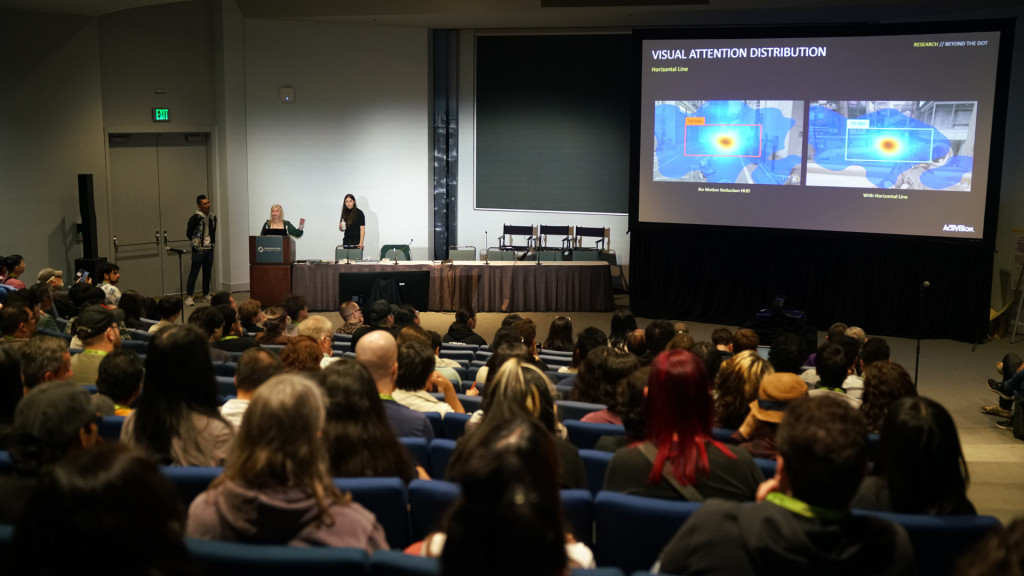
Beyond the Dot: New Ways to Reduce Motion Sickness in Gaming - a talk led by Activision, Treyarch and Beenox - was presented at the brand-new Games Summit portion of the SIGGRAPH 2026 conference. We are proud to have been able to share some of our latest innovations towards motion sickness symptom mitigation in gaming. Keep reading to learn more about revolutionizing accessibility in games!
What is SIGGRAPH?
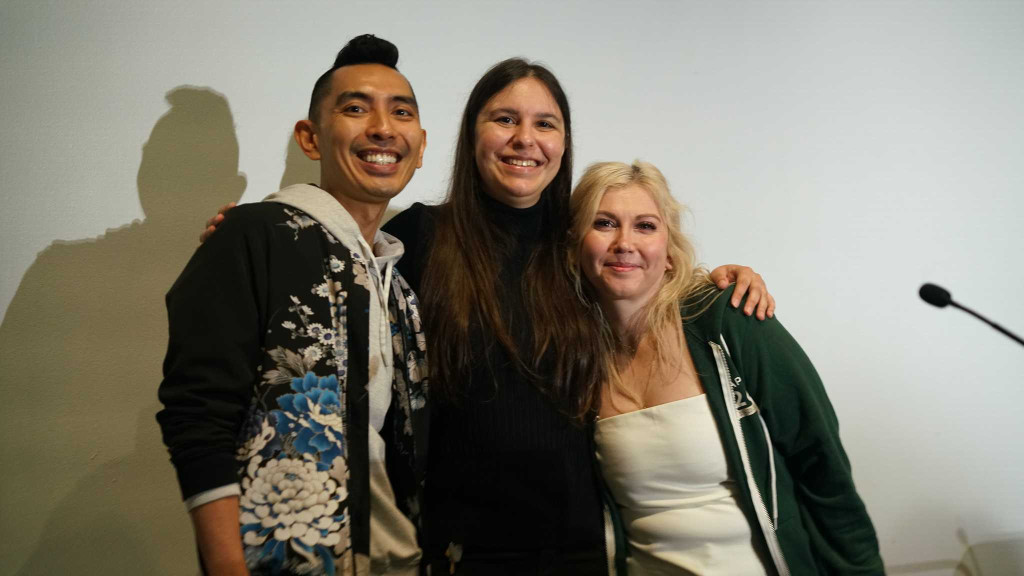
SIGGRAPH is an annual conference and exhibition, a premier space focused on computer graphics and interactivity. There, some of the brightest and most creative minds of our industry come together to share and celebrate new ideas and visions on the future of digital content creation. This year's edition, held in Los Angeles, introduced a brand-new game-oriented track for its participants: the Games Summit. Correspondingly, Activision was invited as one of the speakers, to share some breakthroughs in video game accessibility - namely motion sickness symptom reduction. Magalie Rosseeuw, Lead UX at Beenox, was co-leading this talk, alongside Ewa Trusz from Treyarch, and Adrian Ledda from Activision.
Motion Sickness: A widespread issue
Video game motion sickness is an uncomfortable experience that can affect up to 67% of adults and 56% of children during gameplay, according to research*. It is caused by an information mismatch in the brain, as the person's eyes interpret movement while their body is mostly still.
Therefore, those suffering from motion sickness report headaches, dizziness, nausea, and other symptoms that usually increase in intensity over time. This increasing discomfort obviously has a negative impact on player engagement, as those who are affected tend to stop playing earlier than they would like to. They are also less likely to fully enjoy their game, and less likely to play it again.
*Source : Stoffregen et al., Experimental Brain Research (2013)
New ways
So, to deal with this, Activision has been doing some groundbreaking research and development. And the SIGGRAPH conference was certainly a great opportunity for us to showcase some of it. Magalie and Ewa’s part of the presentation focused on how our teams collaborated to design new features that help mitigate – and even reverse! - the effects of motion sickness on affected players. Among other things, they talked about:
- How our teams came up with new motion sickness mitigation concepts, expanding on some pre-existing features such as the “Center Dot”;
- How those new concepts were designed with a "player-first" mindset, not interfering with core gameplay elements that make a game what it is;
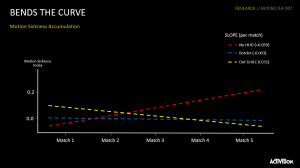
- How the new concepts were tested and proven highly effective – the data showed that some of them even REVERSED motion sickness accumulation over time;
- How new accessibility features were implemented successfully in Call of Duty®: Black Ops 7 as a result;
- What this means for the future of accessibility and motion sickness mitigation in our industry.
Great insights
The showcased feature generated significant interest among industry experts. Feedback was overwhelmingly positive, highlighting both the feature's innovative approach and its potential to advance accessibility in video games. The presentation also sparked many engaging discussions with attendees following the session.
These enlightening discussions drive us to keep pushing boundaries in how we design video games that are accessible to as many players as possible.
More SIGGRAPH, less sickness
We greatly enjoyed our experience as speakers at SIGGRAPH 2026. Beenox, Treyarch and Activision are proud to have shed some light on the issue of motion sickness in video games, as well as on some new ways to alleviate it. We are really excited to be making strides for video game accessibility, and we will continue to innovate in this field, hopefully inspiring others along the way.
Follow us for more news on video game innovation, accessibility, and much more!